

Who is this useful for?
People with deafblindness, parents, teachers and caregivers
Words by Grace Atiang – Sense International
When Reverend Emmanuel speaks about his daughter Keren, his words carry care, patience, and quiet strength. Keren lives with hydrocephalus and deafblindness. She is partially blind, cannot move independently, and does not speak or hear. Instead, she communicates through sign language — a language her father has learned to understand deeply through love, commitment, and the support he has received along the way.
“I am her father,” Reverend Emmanuel says. “She is my living testimony.”
Before discovering the Global Deafblindness Resource Hub, Reverend Emmanuel believed his daughter’s condition was rare and isolating. He carried the responsibilities of caregiving largely on his own, uncertain about how best to support her communication and daily needs.
“One thing I learned,” he explains, “is that my child is not the only one living with deafblindness. There are many. Many disabilities out there.”
That realization changed everything. Understanding that other parents were walking similar journeys brought reassurance and a sense of belonging. It helped him move from isolation to connection, and from uncertainty to growing confidence.
Through the Global Deafblindness Resource Hub, Reverend Emmanuel accessed guidance on communicating with a child living with deafblindness, supporting daily care, and better understanding Keren’s needs. This support did more than provide information — it transformed his relationship with his daughter. His attitude shifted toward deeper connection, patience, and intentional presence. With greater understanding, he began spending more meaningful time with Keren, responding more attentively to her communication through sign language, and engaging with her in ways that respected and affirmed her abilities.
“My attitude changed,” he reflects, explaining that the support helped him build a closer and more meaningful relationship with his daughter.
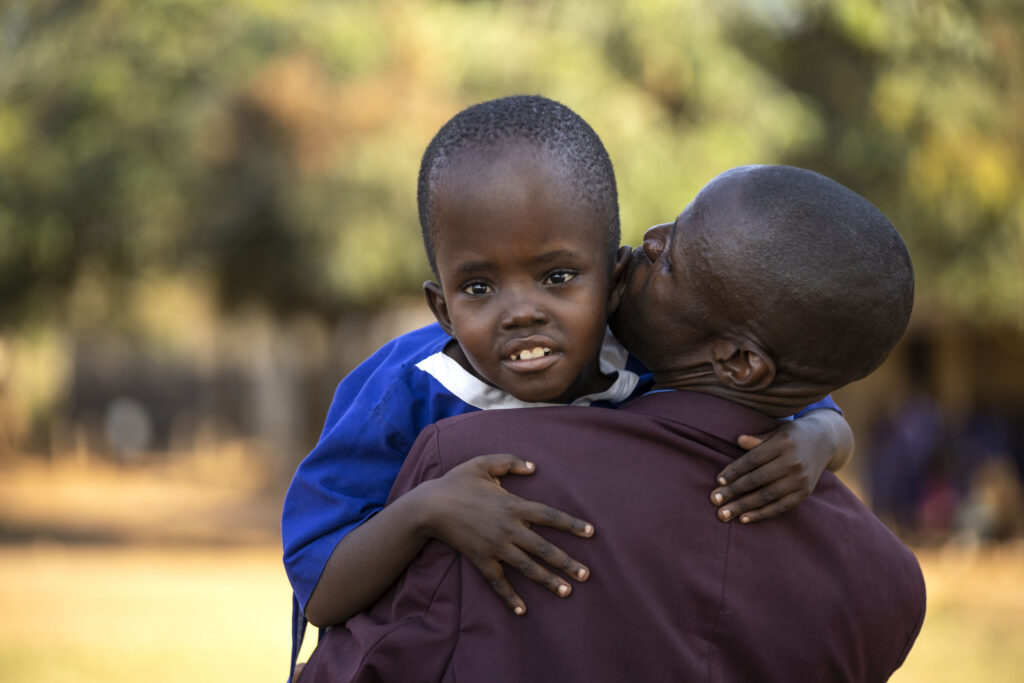
Caring for Keren remains a demanding journey, but one he now approaches with renewed strength and hope. The guidance and reassurance he gained from the Hub helped both him and Keren’s mother hold onto courage during difficult moments.
“It helped Keren’s mother and myself not to lose hope,” he says. “So now I do it wholeheartedly.”
Reverend Emmanuel also values how the Hub highlights the shared experiences of parents raising children with disabilities. Through stories, resources, and examples from others, he feels encouraged and strengthened.
“It strengthens parents who live with children with deafblindness,” he explains. “When they read, they gain courage. They can do better work towards supporting their children.”
For him, the Global Deafblindness Resource Hub is more than an information platform. It is a source of encouragement, understanding, and empowerment — a space that reminds parents they are not alone and that their efforts truly matter.
Reverend Emmanuel’s story is one of quiet transformation. The Hub has not changed Keren’s condition, but it has changed how her father walks this journey — with greater confidence, deeper connection, and renewed hope.
And in that change, both father and daughter continue to grow.