

Who is this useful for?
Parents, teachers and caregivers
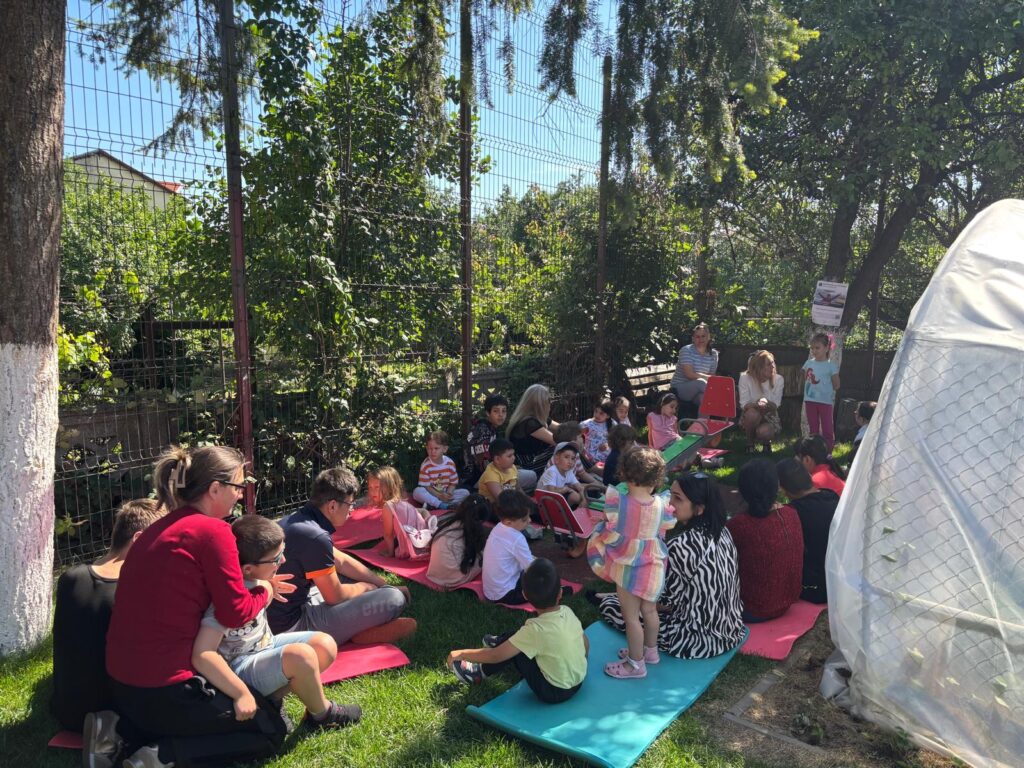
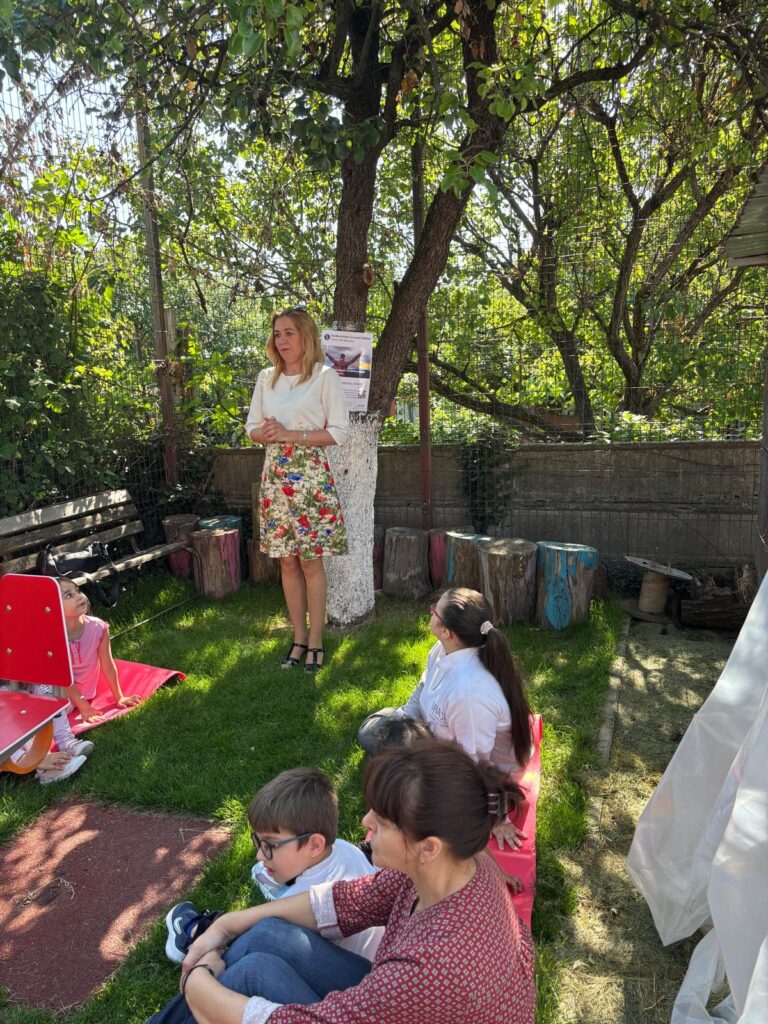
In a world where children are often bombarded with quick stimuli and hard-to-understand feelings, words can become a balm. The “Therapeutic Stories” activity, part of the “A World of Wonders” project, comes as a delicate and profound response to the emotional and cognitive needs of the little ones.
This activity is more than just reading – it’s a form of connection, support, and emotional learning. Children are invited to listen to short stories, specially created to speak in their own language: simple, warm, repetitive and loaded with symbols or images that stimulate the senses and imagination.
The stories are built around essential themes for the harmonious development of the child: the courage to be yourself, acceptance of differences, the value of friendship, confidence in one’s own strengths, fear management or adaptation to change. Each story is a mirror in which the child can recognize himself, but also a window to possibilities and solutions.
An important component of the activity is the presence of landmarks, tactile images and visual symbols, which transform the listening experience into a multisensory one. Thus, the message of the story is felt, not just understood.
The activity is carried out together with Mrs. Mihaela Blaga, a dedicated librarian at the “Alexandru D. Xenopol” County Library in Arad, a trusted partner and supporter of reading as a tool for personal transformation. Through her experience and sensitivity, reading becomes a bridge between the child’s inner world and the support he needs to discover and express it.
“Therapeutic Stories” does not aim to offer magical solutions, but rather to create a safe space where the child can reflect, feel and dream. It is a gentle step towards understanding one’s own feelings and building a balanced and luminous inner universe. During the activity we used tactile images.
Tactile images are a great tool in therapeutic storytelling activities, especially when working with young children, children with special needs, or people who need sensory support to understand and process emotions. Here is a clear and structured description of how tactile images are used in such an activity:
1. Story Introduction
Start by presenting the story in a calm, accessible, and clear way. Before reading, show the tactile images of the group and explain that they will be able to touch them to “feel” the story.
Purpose: to increase curiosity, preparation for the multisensory experience.
2. Associating tactile images with moments in the story
As you read the story, pause at key moments and give the children the appropriate tactile image (e.g., textures for characters, objects, or emotional states).
Example:
- Soft fur for a friendly character
- rough surface for an obstacle or fear
- fluffy texture for a cloud, or a wavy one for water
Purpose: the symbolic anchoring of emotions and events in the sensory experience.
3. Free Exploration
It allows children to touch, feel, and investigate images at their own pace. You can encourage them to say what they feel or what that texture brings to mind.
Purpose: to stimulate emotional expression and personal connection with the story.
4. Guided Questions
After each sequence, ask simple questions that help them make the transition between the story and their own experience.
Example:
- “How do you think the character feels when he touches this texture?”
- “What does this rough surface remind you of?”
- “Where in the story does something that feels like this appear?”
Purpose: development of symbolic thinking, identification and externalization of emotions
5. Revival of emotions
Use tactile images to talk about the emotions in the story and those of the children.
Example:
- I touch a hard surface → “When did you also feel something difficult/difficult to manage?”
- They touch a soft texture → “What makes you feel safe?”
Purpose: to connect inner feelings to tangible symbols.
6. Creating a tactile mini-story
At the end, children can create their own story sequence using tactile images: they choose 2–3 textures and tell a short story.
Purpose: to strengthen understanding, creative expression, integration of therapeutic experience.
7. Conclusion and reflection
End the activity with a discussion about what they liked, what helped them and what they felt. You can invite your kids to tap their favorite texture again and say why they chose it.
Downloads
- Microsoft Word